Why should death not be seen with so much pessimism, but as a door that Christ opens for us towards fullness? In his general audience of december 10, 2025, Pope Leo XIV addressed the mystery of death and the hope that springs from the Resurrection, proposing a profoundly human and luminous vision based on the Easter of Jesus Christ. From his words, here are five keys that allow us to look at death with greater lucidity and serenity, recognizing in it a step that illuminates the profound meaning of our existence.
1. Death is a mystery that reveals the depths of the human heart.
For Pope Leo XIV, death is at the same time natural and “unnatural”.”. Natural, because all living beings die; unnatural, because our heart desires a life that does not end. This contrast - so characteristic of human beings - is already a sign that we were born for more than just the biological cycle. The anguish it causes us is not a mistake, but a sign of our vocation to eternity.
2. Asking ourselves about death helps us to live a better life
The Pope recovers the intuition of St. Alphonsus Liguori: meditating on death is a school of life. Not to fall into sadness, but to distinguish the essential from the superfluous. Who knows that his life has an end; he stops being distracted by what is passing and learns to orient his existence towards what remains. Death, seen in this way, is not only a limit: it is a teacher.
3. Promises of technological immortality do not respond to human concern
The Pontiff warns against the contemporary fascination with transhumanism and the idea of “overcoming” death through technology. The basic question - he says - is not whether we will be able to prolong life indefinitely, but whether a life without death would be truly happy. The human longing for eternity is not satisfied with more years, but with fullness, meaning and communion. No scientific advance can guarantee this.
4. Christ's Resurrection transforms death from within
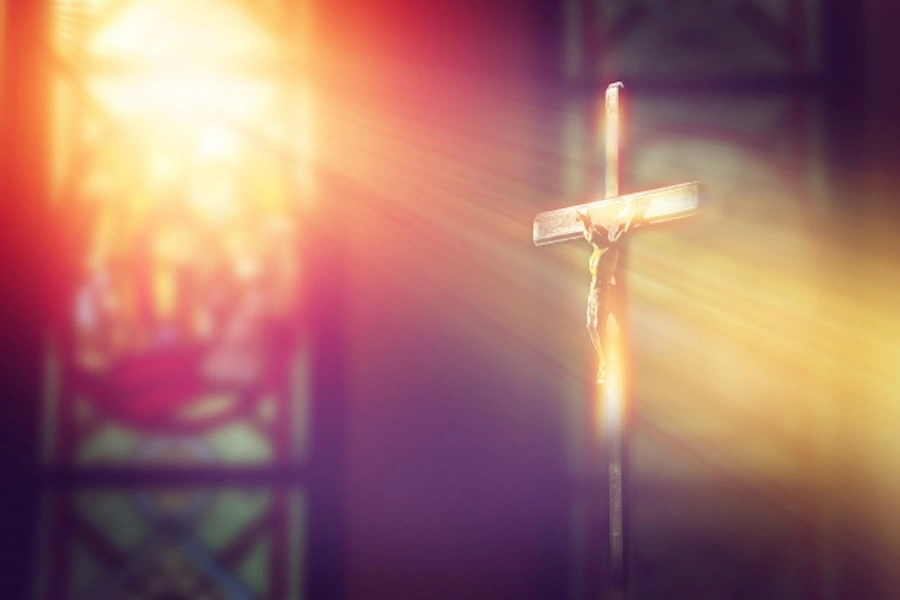
One of the central themes of the catechesis is the affirmation that death does not oppose life, but is its decisive step towards eternity. At Easter, Jesus illuminates the darkness of death from within, anticipating, in the midst of pain, “the new light of the Resurrection”. Death ceases to be a wall and becomes a threshold. Only from this light can Christian hope be understood: we do not aspire for death to disappear, but for it to be conquered by Life.
5. There is already a place prepared for us
Pope Leo XIV points out that Christ, in passing through death, has preceded us and has prepared “the house where we are expected”. This is why the Christian tradition - following St. Francis of Assisi - can call death “sister”. Not because it is simple or desirable, but because it is no longer solitude or threat: it is the door to a life in which there are no shadows or contradictions. To await it with serenity is not resignation, but trust.
In a culture that avoids thinking about death or reduces it to a biological process, the catechesis of Pope Leo XIV offers a different perspective: death is not a taboo, nor a failure, nor an accident. It is a mystery that, illuminated by the Resurrection, restores hope, inner freedom and depth to our daily lives.
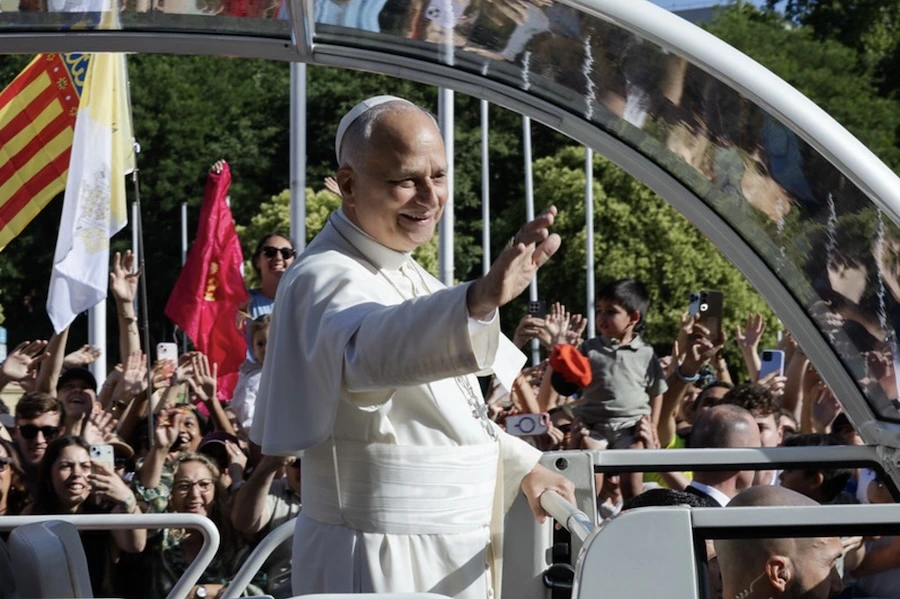
(Cover image: Vatican News)