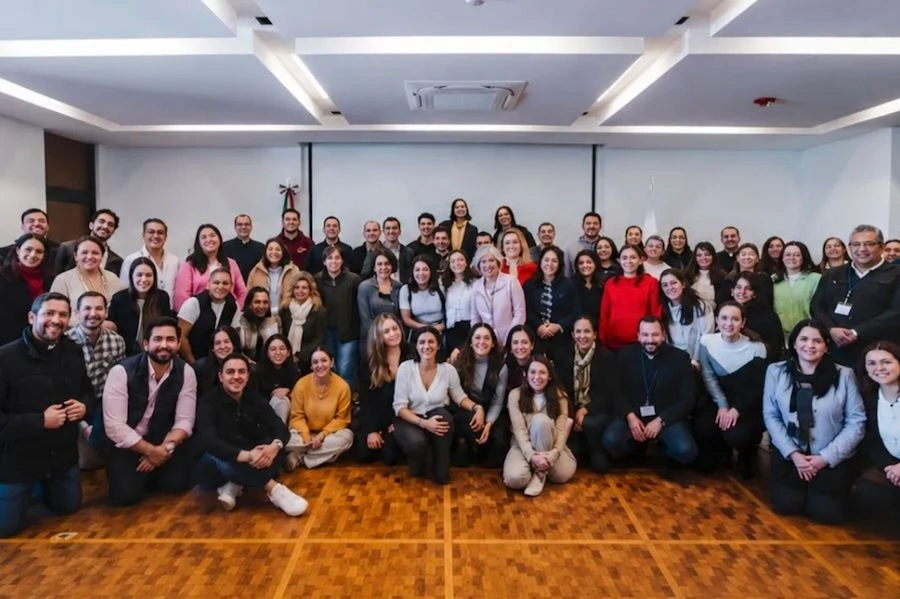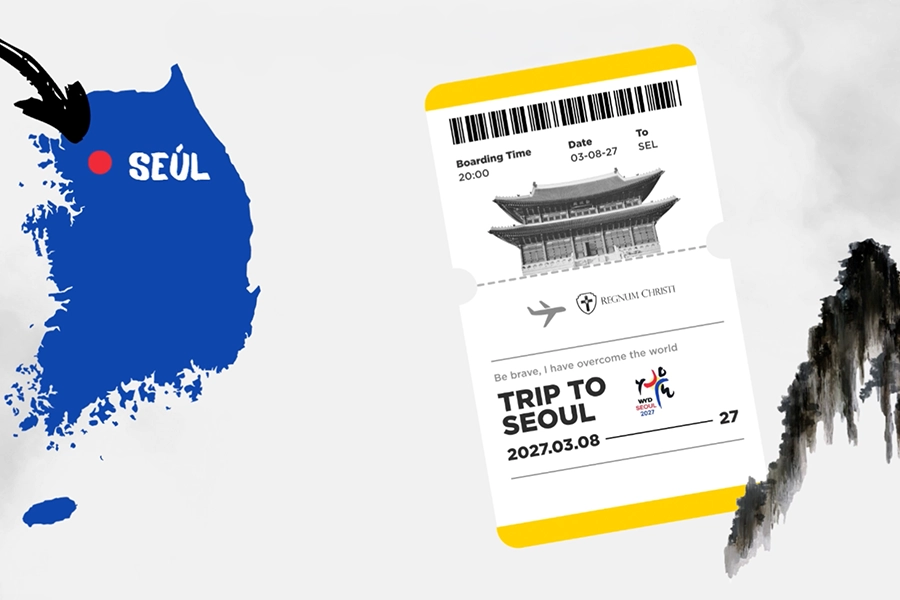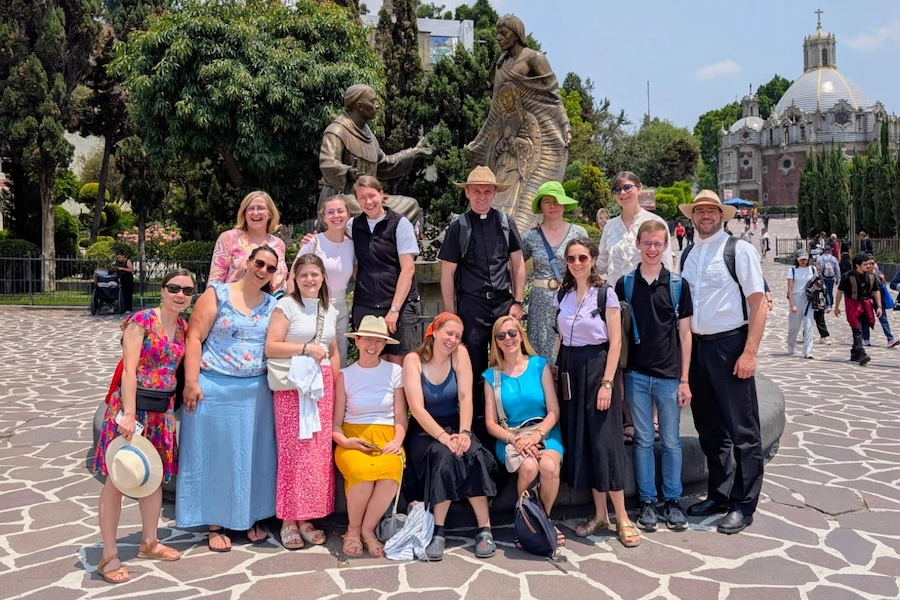
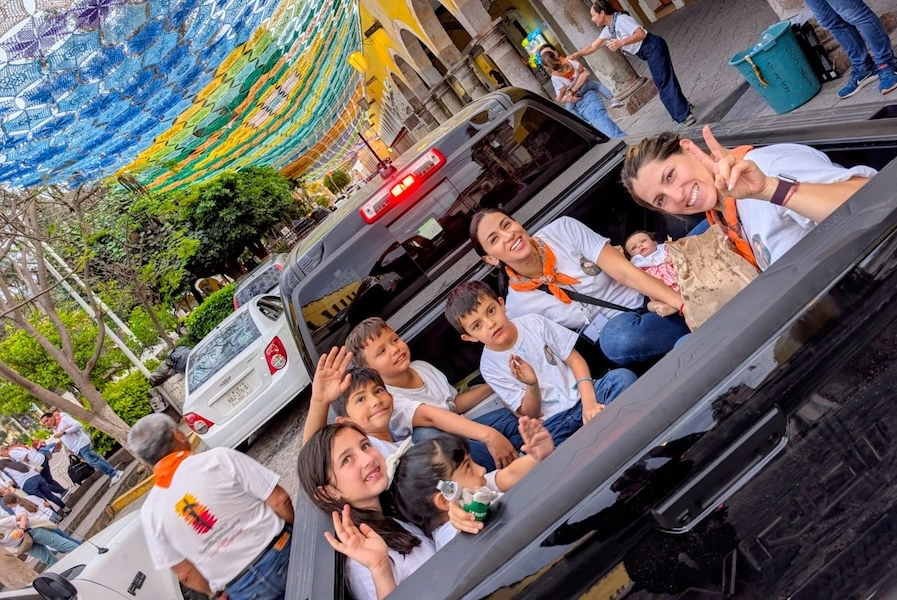
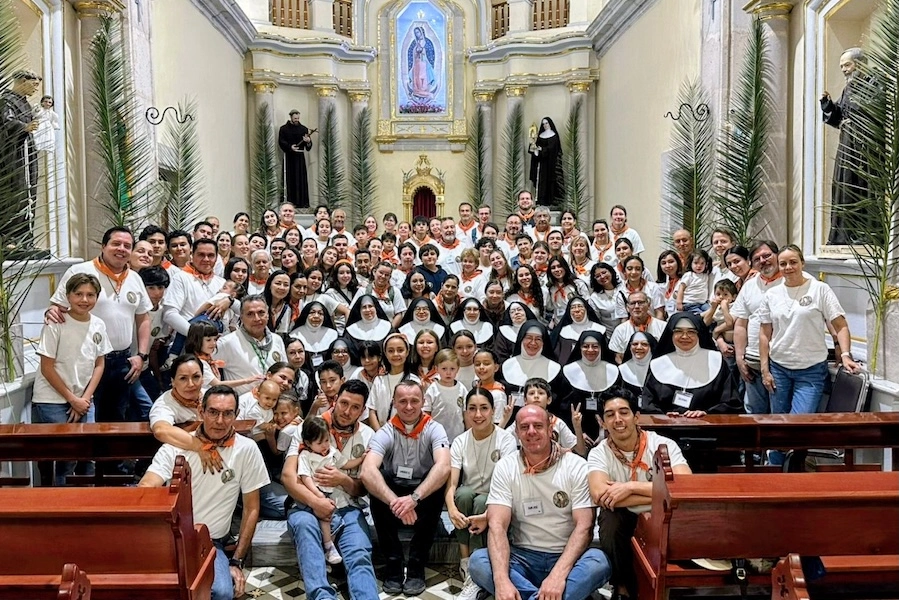
The experience, carried out in collaboration with Mexican missionary families, provided an opportunity for direct interaction with local communities and offered the European participants an intense experience of faith, ministry, and community life during the Holy Week missions.
Over the past five years, a growing number of European missionaries have taken part in these missions, which not only impact local communities but also leave a lasting impression on participants’ faith experiences. But the missionary exchange goes even further.
“Over the past 20 years, we have taken groups of young people and adults to participate in missions in Mexico on several occasions,” explains Father Valentin, noting that this recent initiative stemmed from a providential encounter in Guadalajara, Mexico, in 2021, where “the idea was raised: why don’t we go on another mission together?”
Since then, young people and adults, mainly from Germany, Austria, and Poland, have joined this initiative. “We have carried out five missions, and between 12 and 20 European missionaries have always accompanied us,” he notes, also highlighting the diversity of profiles: “they have been missionaries between the ages of 16 and 60,” with a recent trend toward more mature groups, with participants between the ages of 25 and 35, including students, professionals, and people with responsibilities in educational and training fields.
A mission experienced as a family
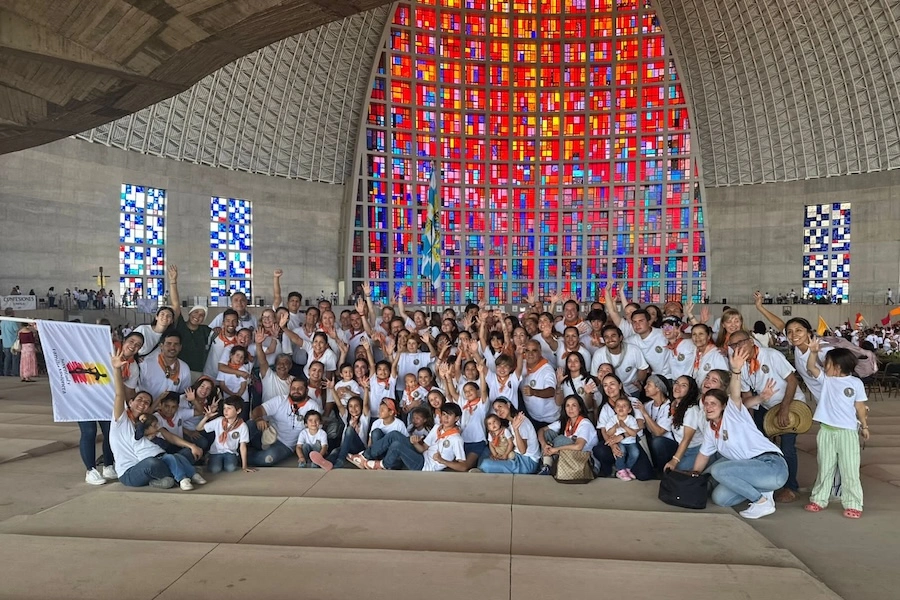
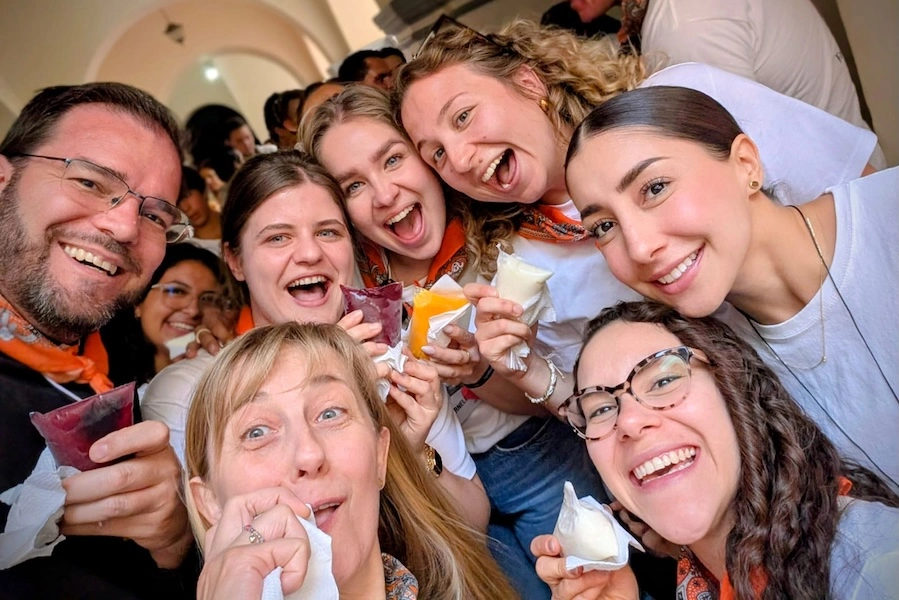
One of the central elements is the placement with Mexican host families. “Each European missionary is taken in by one of the participating Mexican families,” says Father Valentin, describing a dynamic that goes beyond mere logistics and becomes a more tangible ecclesial experience.
During the mission days, this shared living experience transforms the whole experience: “That European missionary is practically adopted by this family, sharing life, faith, and ministry with parents and children. This closeness allows for a direct experience of the Church as a family,” says Father Valentin.
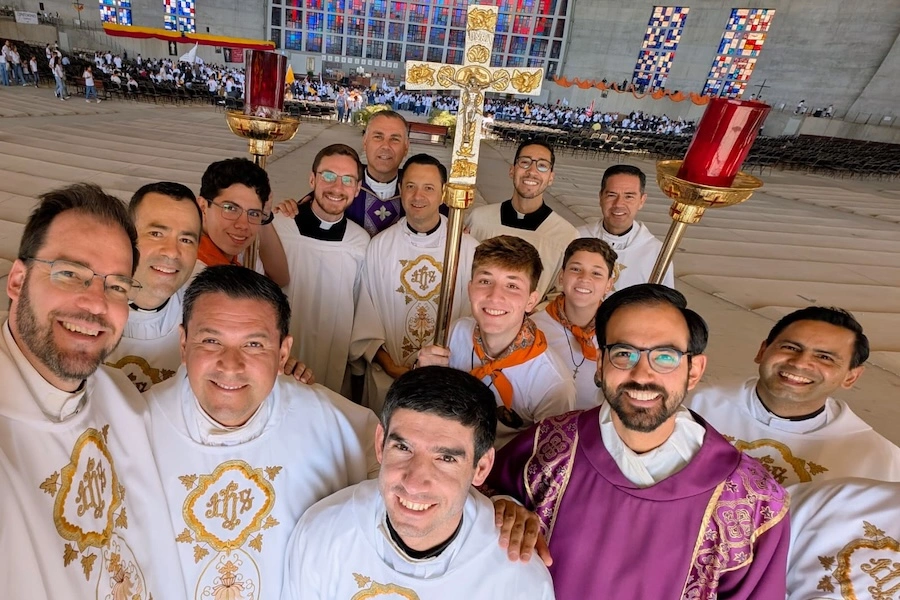
The event begins in Guadalajara with a send-off Mass at the Shrine of the Martyrs. “That’s where we’ll meet for the first time,” he explains, before heading to Etzatlán, “where the mission we’re attending has been taking place in recent years, as part of an ongoing pastoral effort in the communities we visit year after year.”
Evangelizing through closeness
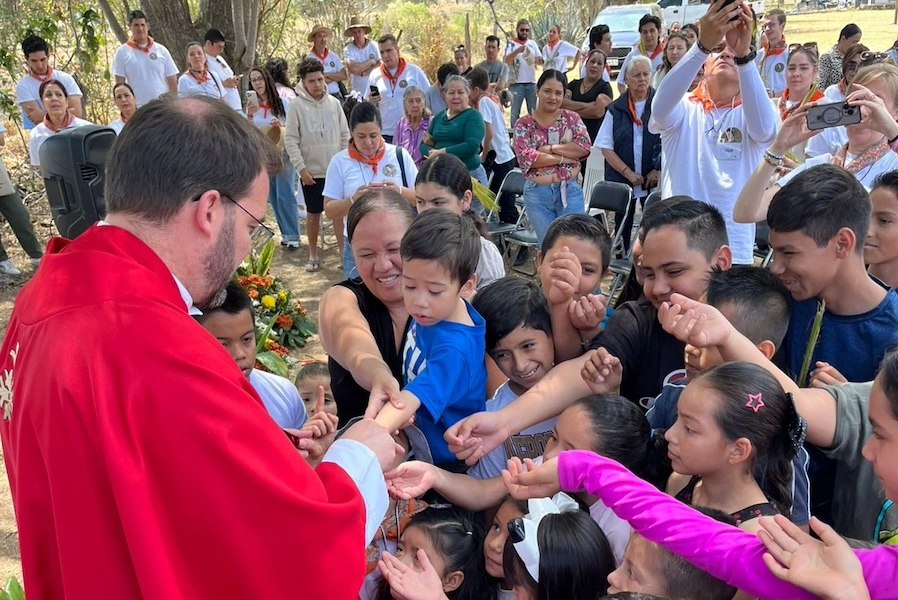
The mission is carried out through an intense community and apostolic life. “Going door to door as a family in the village, visiting the sick and the elderly,” Father Valentin explains, is an essential part of that daily missionary life.
For many Europeans, this form of evangelization is a new experience. “All of this leaves a lasting impression,” he says, referring to the impact of direct contact with people and their lives—something that doesn’t usually happen in their home cities—but the impact is even greater when they see how the people they visit respond.
The local culture fosters this connection. “There is great love, great openness, and incredible generosity,” notes Father Valentin, highlighting how faith is lived out naturally in the daily lives of the communities he visits.
Life-changing experiences
Among the most significant moments, Father Valentin mentions specific celebrations: “We were blessed to have three couples receive the sacrament of marriage during the missions, with the proper authorization from the local parish priest,” says the priest, emphasizing the providential nature of this event.
He also highlights moments of deep prayer as one of the cornerstones of the experience. “I believe these are also moments of silence, of deep prayer, of contemplation,” the priest says, emphasizing that it is precisely in these moments that many missionaries experience a personal encounter with Christ that gives meaning to all their apostolic work.
In this context, there were experiences that highlighted the impact of the mission on people’s lives. Father Valentin recalls the case of Miriam, a missionary participating for the third time, who, on her first mission, arrived deeply affected by the recent loss of her fiancé. During the living Stations of the Cross on Good Friday, in which she portrayed the Virgin Mary, she experienced a moment of profound healing: “She practically says she cried for the two and a half hours, three hours, of the fourteen Stations of the Cross,” he explains. Through this experience, she was able to express a pain she had not been able to fully confront until then, finding in her faith a path to consolation and meaning.
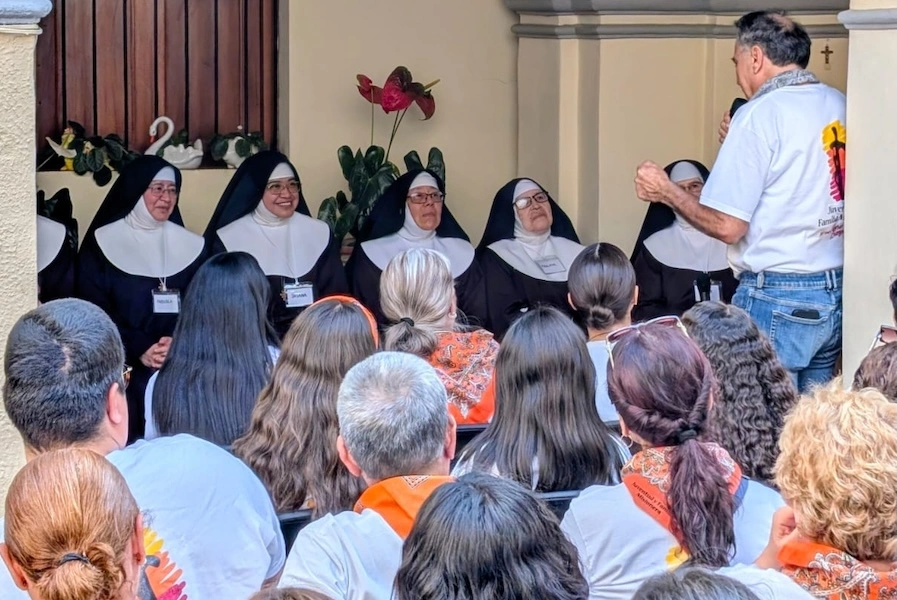
Along with this experience, Father Valentin also mentions that of another young missionary who gained clarity about her vocation during the missions. “Last year, another young woman received clarity about her own consecrated vocation during these missions,” he notes, and she subsequently decided to take the step of entering a religious congregation. This kind of discernment, the priest adds, shows how the mission not only has an external impact but also deeply touches the inner lives of those who participate.
All these experiences trigger inner processes. “They are also experiences of inner conversion, of encountering Jesus, and of rekindling one’s faith,” explains Father Valentin, referring to the real changes he observes in the lives of the participants.
The power of prayer and the joy of sharing the experience
Father Valentin notes that the mission does not rely solely on visible actions. “In the end, it is the Lord and God’s grace that touch people’s hearts,” he says.
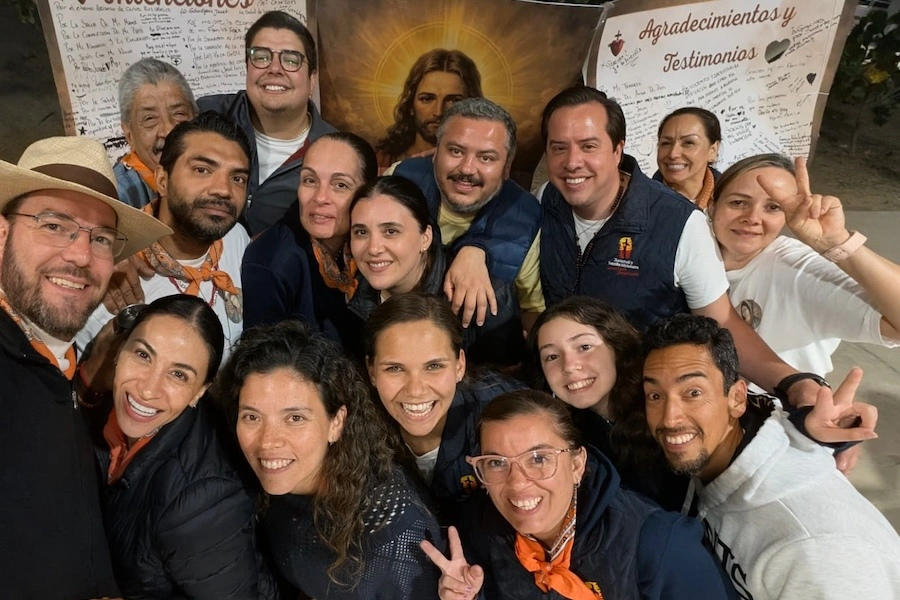
For this reason, he acknowledges the role of those who support them from afar, even mentioning specific individuals who sustain the mission through their prayers, including some friends and members of Regnum Christi. “The prayers of our people are very much a part of the mission,” explains Father Valentin, referring to those who cannot travel—due to age, illness, or financial constraints—but who actively participate through prayer.
Sharing their experiences with others is also reflected in concrete initiatives. “Several missionaries posted almost a daily update with photos on their social media,” he notes, pointing out how they share their mission work, which helps spread the word beyond their physical location and among their European contacts.
Pilgrimage and Marian experience
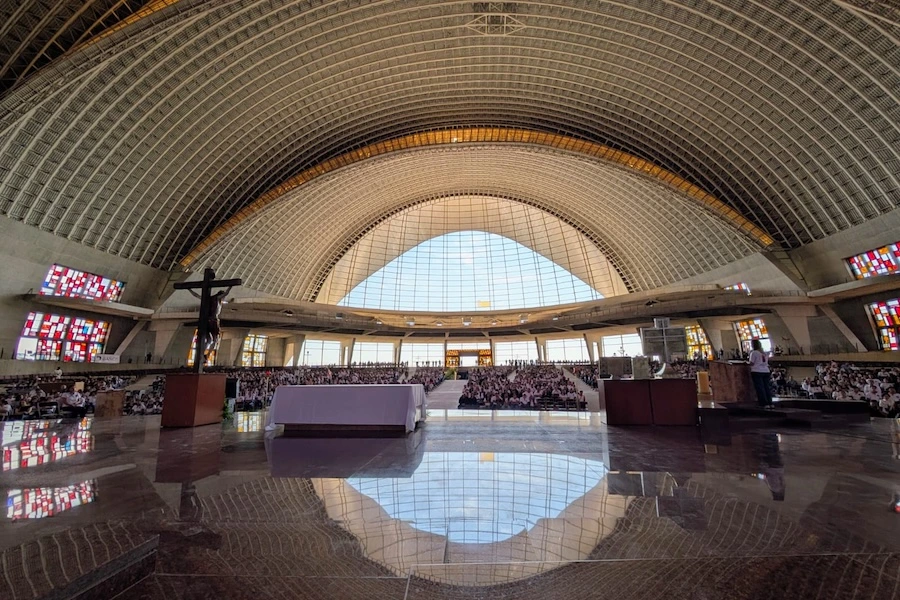
The visit to the Basilica of Our Lady of Guadalupe is also a key moment. “It’s something very powerful,” says Father Valentin, noting that many missionaries are especially drawn to take part in order to live this experience.
The impact of the moment is also reflected in the response from those in Europe who are following along. “We’ve received over a thousand prayer requests,” he notes, once they learn that they are already on their way to the Basilica.
This is complemented by visits to other shrines, such as Mary, Undoer of Knots, in Cancún. All these experiences deepen the participants’ spiritual connection to their own journey of faith.
A learning experience for Europe
Although Europe is also mission territory, Father Valentin explains the unique value of these experiences. “One does not exclude the other,” he says, noting that both realities—mission work in Europe and in Mexico—enrich one another.
Participating in missions in Mexico offers a unique context. “All of this is a bonus we want to take advantage of,” he says, referring to the organization, the reach in the communities visited, and the diversity in missionary approaches.
The impact on the participants is clear. “It broadens our horizons,” he sums up, describing how these experiences transform the way we view and experience our faith.
Shared challenges and lessons learned
The mission also faces challenges. “Last year, we encountered resistance: few people opened their doors during our visits,” recalls Father Valentin, referring to his initial interactions with residents of some communities.
However, their perseverance paid off. Father Valentin recalls that, on Palm Sunday the previous year, only two or three people had participated, whereas this year some 40 or 50 more joined in. This growth made it possible to hold some of the main liturgical celebrations of Holy Week outdoors, with increasing participation from the community.
These experiences also allow us to draw parallels with Europe. “I see many parallels,” he says, especially in the difficulty of evangelizing in contexts marked by distance or mistrust.
Back to basics
Among the lessons learned, Father Valentin highlights the experience of faith. “It is a living faith,” he says, pointing out a characteristic he considers essential.
He also emphasizes the communal dimension. “Above all, it is the living faith of a community centered on Jesus,” he explains, identifying this as the core of church life.
He also emphasizes the central role of the sacraments in Christian life—confession, anointing of the sick, and marriage preparation—along with a simple and consistent spiritual life. From this perspective, his reflection points to a clear call: to rediscover the essentials of the faith in daily life.
A mission that continues
These missions are not limited to a single occasion. “There are families who return to the village every month,” explains Father Valentin, noting that the mission continues beyond Holy Week through ongoing support, particularly in the catechesis of children and in working with married couples and families.
The impact also lasts a lifetime for the participants. “These are experiences that touch the heart and stay with you forever,” he notes, referring to experiences that, in some cases, mark a turning point—whether in the process of conversion, in the living out of one’s faith, or even in vocational discernment.
Overall, he concludes, it is an experience that “broadens horizons, especially for Europeans, by exposing them to a faith lived in a simpler, more down-to-earth, and communal way.” That experience does not remain merely a memory; rather, it leads to a more conscious and committed faith upon their return home, thereby strengthening the mission in Europe as well.