José Alberto Rincón, L.C.
In the name of the Father and of the Son and of the Holy Spirit. Amen.
Christ, our King, Thy Kingdom come!
Preparatory prayer (to put me in the presence of God)
Lord, may I strive each day to know You better so that I may love You as You desire.
Gospel of the day (to guide your meditation)
From the Holy Gospel according to St. Mark 7, 24-30
At that time, Jesus left Gennesaret and went to the region where Tyre is located. He went into a house, for he did not want anyone to know that he was there, but he could not pass unnoticed. A woman, who had a child possessed by an unclean spirit, heard of it at once, went to look for him and fell down at his feet.
When that woman, a Syrian from Phoenicia and a pagan, begged Jesus to take the demon out of her daughter, he answered her: “Let the children eat first. It is not right to take bread from the children and give it to the little dogs”. The woman replied, “Yes, Lord, but it is also true that the little dogs under the table eat the crumbs thrown by the children.
Then Jesus answered her, “Go, go your way; because of what you have said, the demon has gone out of your daughter”. When the woman came to her house, she found her daughter lying in bed, and the demon had gone out of her.
Word of the Lord.
Meditate on what God tells you in the Gospel
If Jesus had waited until modern times to become incarnate, we can imagine very clearly how his public statements would have been criticized. The media would have enjoyed filling news pages with it. «Let the children eat first. It's not right to take bread from the children to throw it to the puppies.» Did he perhaps compare man to animals? Did he perhaps denigrate the person he was talking to? Did he perhaps dare to assert that animals do not deserve our care?
Such is the fruit of a mentality that is dedicated exclusively to looking for what can be criticized, instead of recognizing what is admirable. It is not a question here of deciding whether or not we are tolerant of Jesus' words, of course! It is a matter of accepting that those words are there for a reason, and that He spared no effort to make clear to us the message of salvation. Yes, Jesus certainly would not have been a politically correct person by our standards.
What does it tell us, then, that the insistence of the Syro-Phoenician woman was enough to convince him? That he granted her the miracle of her daughter's deliverance because he was won over by the argument? These are all human criteria; however entertaining they may be, they cannot shed light on the matter. The light comes from within, from the text itself. What did the woman do before she spoke? She went to look for him and prostrated herself. Then came the insistence, the supplication, the pleading; first, however, there was the adoration, recognizing that she was before someone greater than herself.
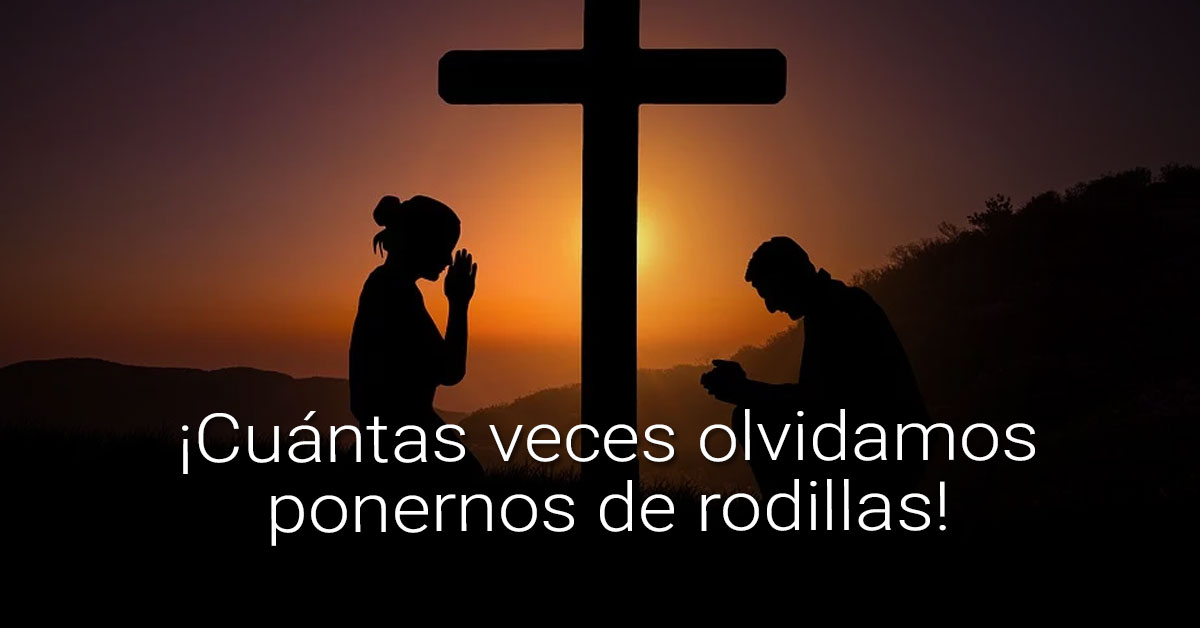
What about us? Perhaps we approach Jesus with the attitude of our time most of the time. We demand answers, we impose schemes, we delimit courses of action. He sees us and rightly refuses to consent to our selfishness. How often we forget to get down on our knees! Humility, first of all, for only those who are humble can receive the crumbs from the children's table.
«In the Gospel also appears another courageous woman who does not use persuasion, does not use bargaining, does not use silent insistence. It is the Canaanite woman who asks for the healing of her daughter, tormented by a demon. At first Jesus tells her that he had been sent only for the people of Israel: it is not good to take the children's bread and throw it to the dogs. And she is not frightened and insists, telling Jesus that even the dogs eat crumbs that fall from the table of their masters. This woman “is not frightened” and gets what she wants. [It takes a lot of courage to pray like this. And we are lukewarm so many times. Someone says: “Pray because you have this problem, that one...”. “Yes, yes, I say two Our Fathers, two Hail Marys, and I forget...”. No, the parrot's prayer does not work. The true prayer is this: with the Lord. And when I have to intercede, I must do it this way, with courage. People, in common speech, use an expression that says a lot to me, when they want to achieve something: “I will do my best”. In intercessory prayer, this is also true: “I will do my best”. The courage to go ahead. But perhaps the doubt comes, “I do this, but how do I know that the Lord hears me?”. We have one assurance-Jesus. He is the great intercessor.»
(Homily of H.H. Francis, April 4, 2019, in Santa Marta).
Dialogue with Christ
This is the most important part of your prayer, prepare yourself to talk with much love with the One who loves you.
Purpose
Propose a personal one. The one that involves the most love in response to the Beloved... or, if you believe that this is what God is asking of you, live what is suggested below.
I will confidently place in God's hands the difficulty that I encounter on my path today, striving not to reproach Him for the way in which He chooses to deal with it.
Farewell
We thank You, Lord, for all Your benefits, You who live and reign forever and ever.
Amen.
Christ, our King!
Thy Kingdom come!
Most prudent Virgin, Mary, Mother of the Church.
Pray for us.
In the name of the Father and of the Son and of the Holy Spirit. Amen.