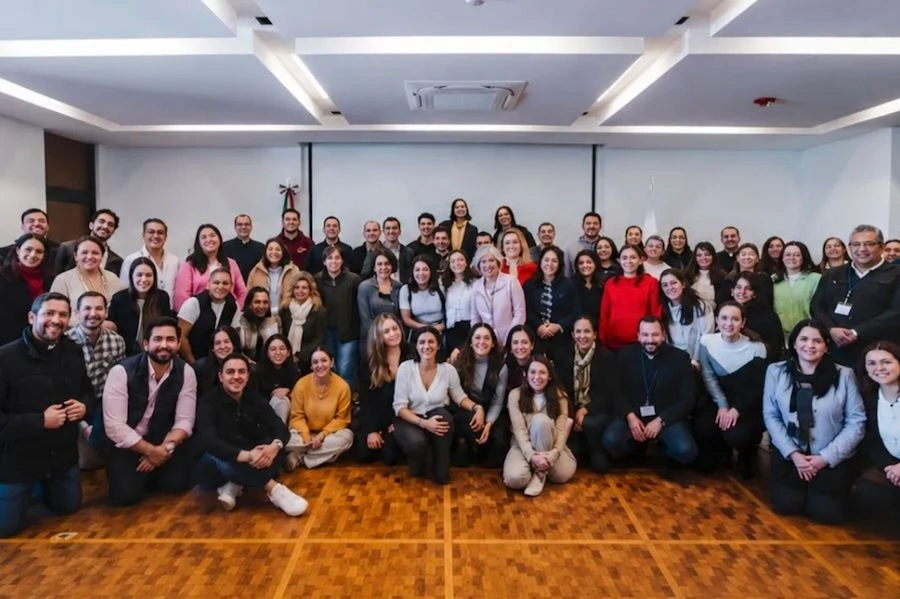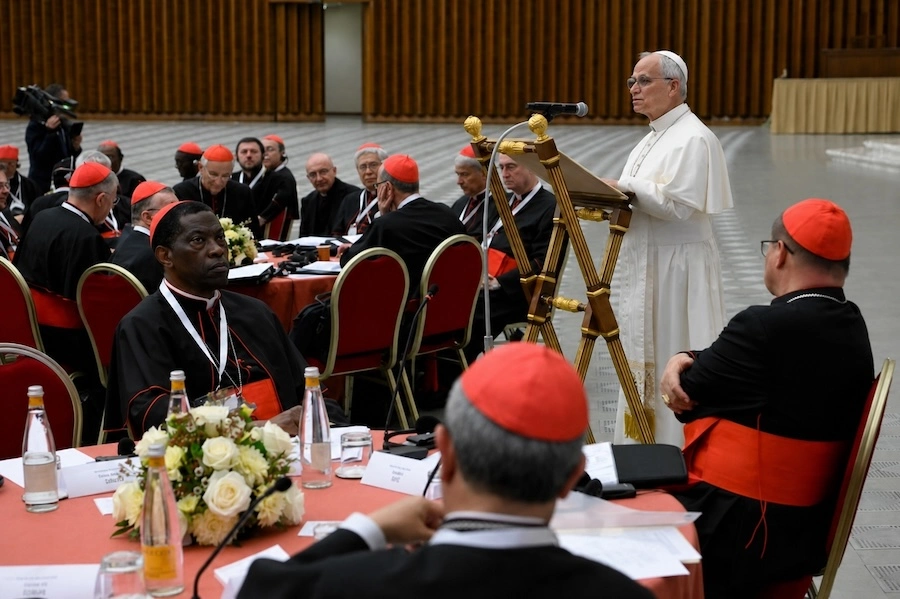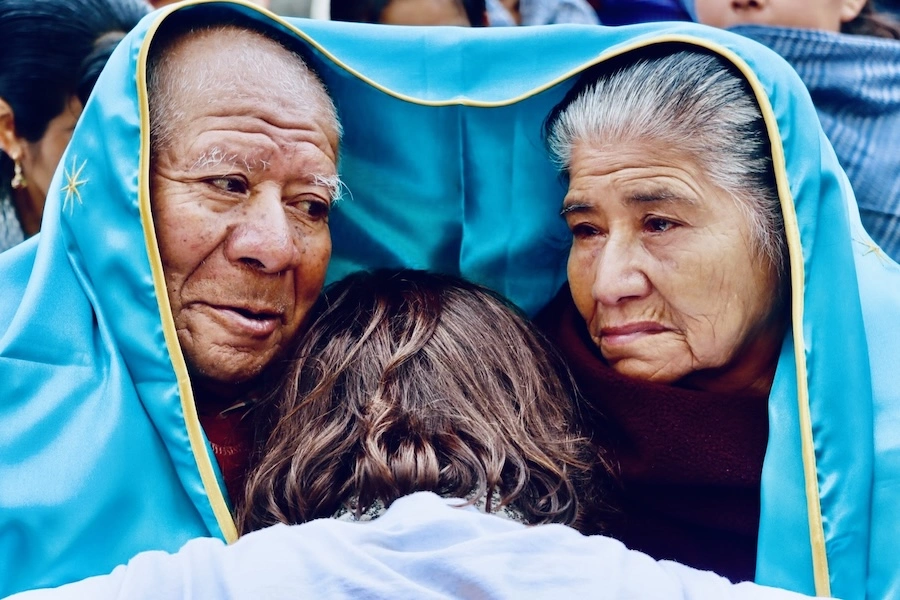
In the foothills of the majestic Pico de Orizaba, also known as Citlaltépetl, it grows a movement that combines faith, community and social development. Known as the «Road to Guadalupe», s, this is ato reality, under the guidance of dthe P. Evaristo Sada, L.C., is transforming the lives of thousands of people in the rural communities of Veracruz, Mexico. Inspired by the devotion to the Virgin of Guadalupe, this trail becomes a unique experience of prayer, action and natural beauty..
A peregrination with proposal
The Road to Guadalupe, apostolate of the Regnum Christi in Mexico, is much more than a physical journey. Along 50 kilometers that connect 15 rural communities, the pilgrims travel between «Squares of Guadalupe», stations marked by images of the Virgin of Guadalupe created by Mexican artists. These plazas are not only points of prayer, but also centers of community life, where faith and works of mercy go hand in hand.
«Our Lady's kind face tells us: “Mexico, find yourself again. Mexico, be yourself”», comments the P. Evaristo. Each step along this path symbolizes an opportunity to turn your heart to God and a call to rediscover the love of Christ translated into concrete actions.
Impact social and community
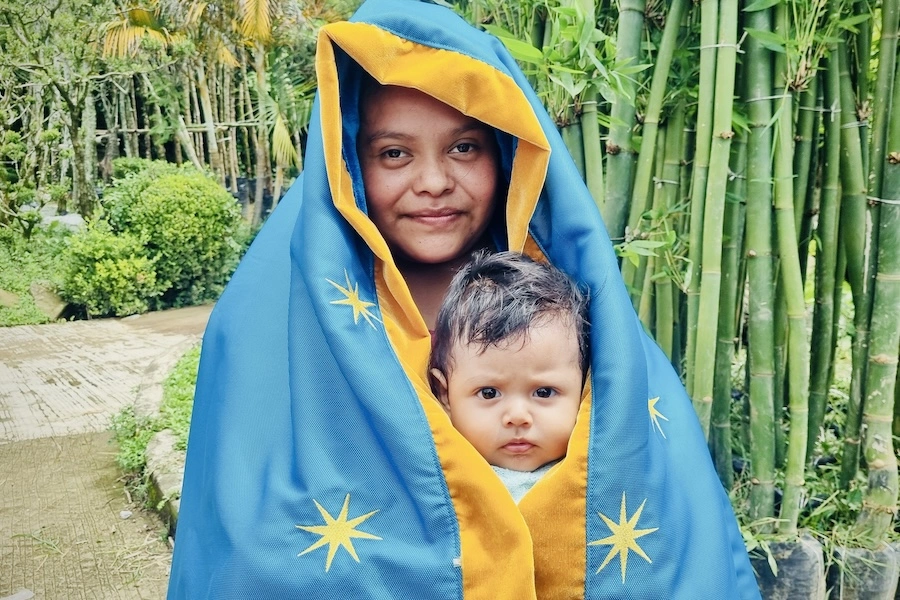
The Guadalupe Trail stands out for a approach that combines spirituality with works of mercy for the benefit of rural communities. Among the most outstanding achievements to date, In addition to the construction of 58 kilometers of pipelines to bring potable water to 11 communities, the construction of 25 decent homes (with 40 more in the pipeline) and the development of 200 vegetable gardens, 80 greenhouses and 85 chicken coops to promote food and economic self-sufficiency.
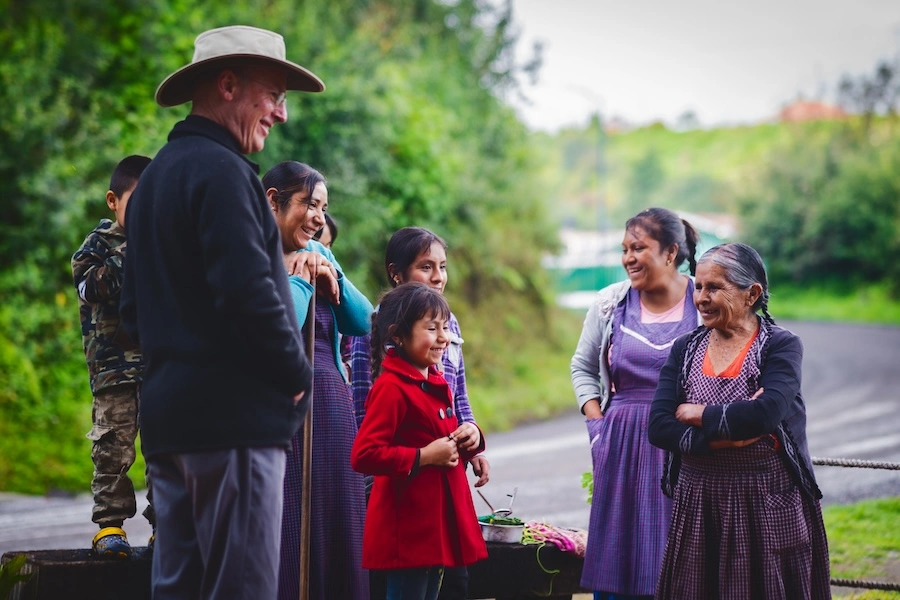
Women, in particular, have benefited from the project through agricultural initiatives that provide them with income. «Here, prayer and action do not separate; they are one and the same road to heaven and to a better life.», notes the P. Evaristo.
A camino inspired by the oature and the fe
For those who are embarking on this journey, ehe Pico de Orizaba, with its imposing presence, symbolizes the celestial mantle of the Virgin of Guadalupe, while each station along the way represents a «star» in that mantle. This symbolism reinforces the sense of unity and purpose that defines the Road to Guadalupe.
Those who come on pilgrimage here not only find a space for prayer, but also for the contemplation of natural beauty. The path go to through spectacular landscapes: cloud forests, waterfalls, crystal clear rivers and fields of flowers, an experience that captivates hikers, mountain bikers and photographers alike.
A legado de esperanza and progress
El Camino de Guadalupe, which has Saint Juan Diego as an inspirational figure, also pays tribute to the farmers and persons without resources of the region, who are considered the modern-day “Juan Diegos”. Their wisdom and perseverance natural encarnan ishe essential values of faith and community that to seeks to promote.
In addition to its local impact, the Guadalupe Way has the potential to become an international attraction, comparable to the famous Camino de Santiago in Spain. Beyond tourism, its essence lies in evangelization with the Eucharist and the works of mercy as central axes.
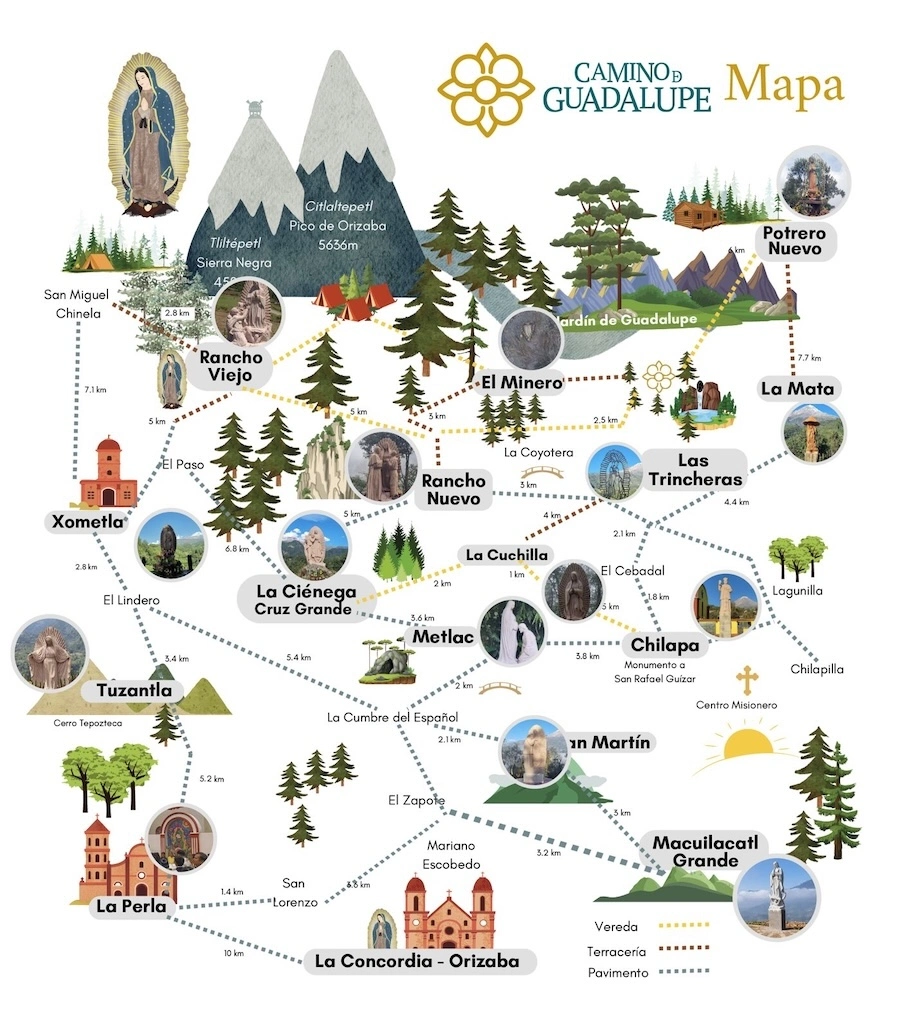
The Camino de Guadalupe is an invitation for everyone: from nature lovers to those seeking a space for spiritual reflection. It is a call to discover that prayer tAlso is transformed in service and love of neighbor.
«To go on pilgrimage on this road is to walk towards the arms of the Father, holding the hand of the Virgin Mary and inspired by the peasants of the volcano.», concludes P. Evaristo Sada, L.C. At the Mexico today's, The Camino de Guadalupe stands as a symbol of hope, unity and progress.
Here, each step is a reminder that by uniting prayer and action, it is possible to transform lives and communities.
Video of the Camino de Guadalupe
In the following video, Fr. Evaristo presents the Camino de Guadalupe apostolate, a project promoted by the legionaries of Christ in the service of evangelization and social justice in the diocese of Orizaba.