«The mouth, from which we express the word, we use to express love. Christ is the kiss of God. We know that God loves us because in the flesh of Christ, he tells us that he loves us». Pérez-Soba
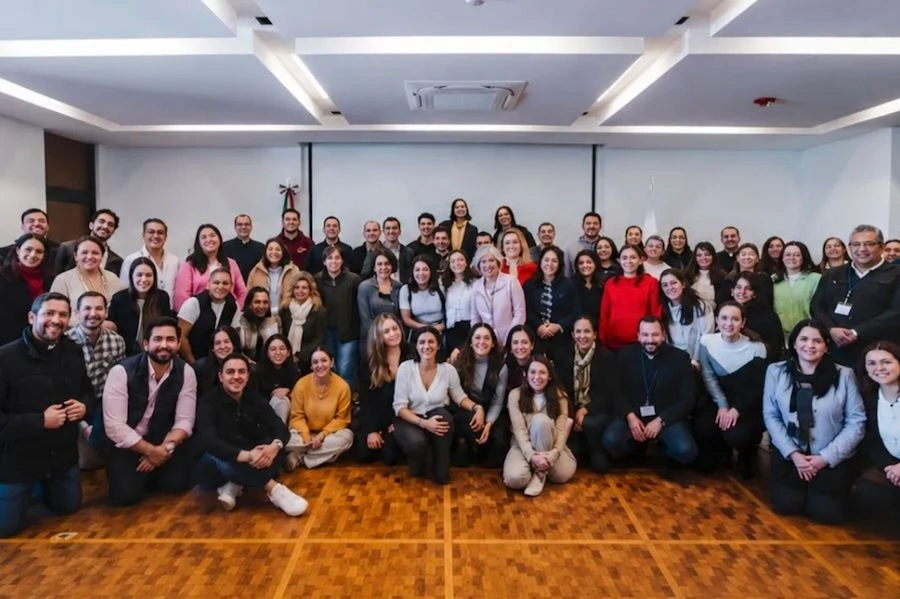
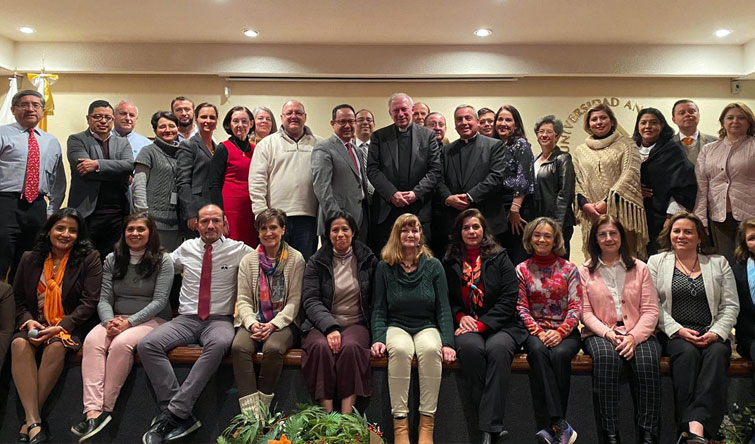
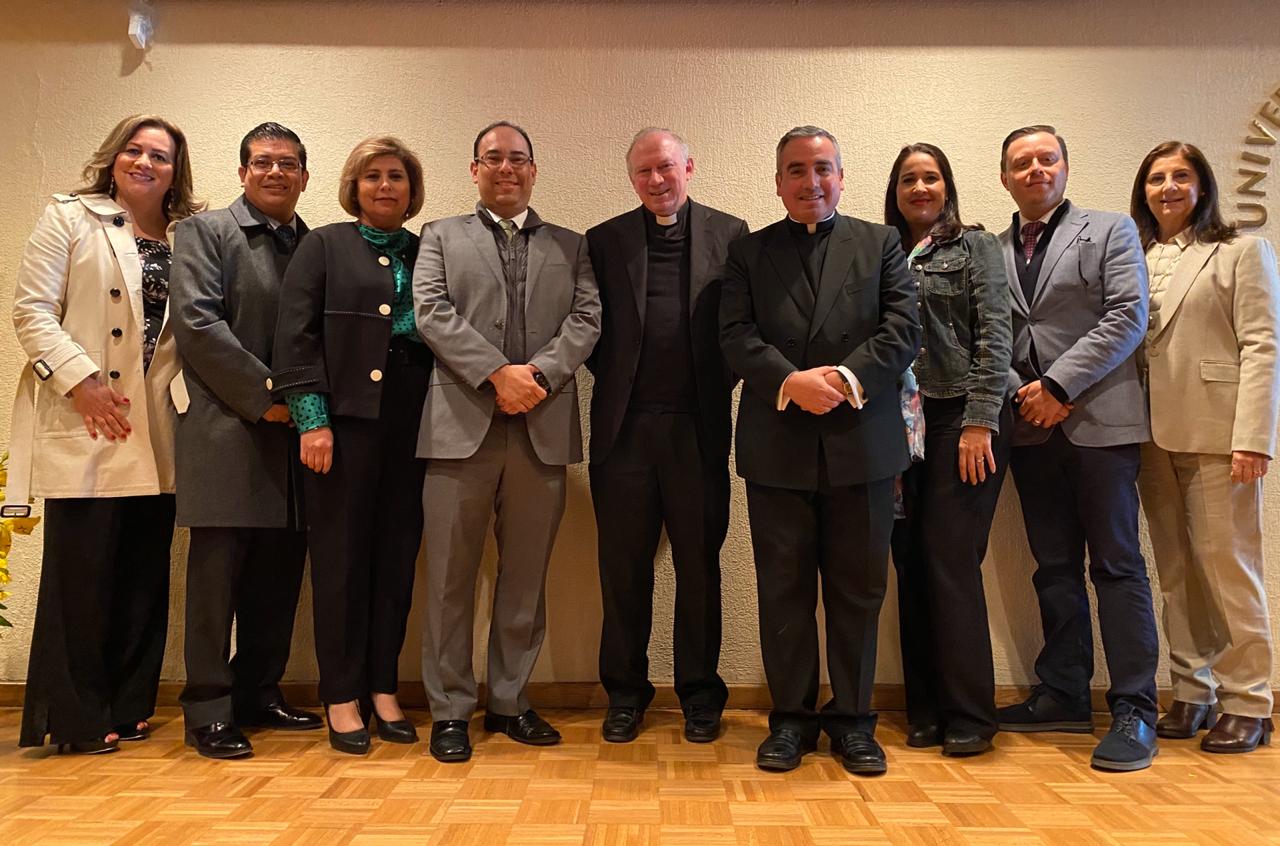
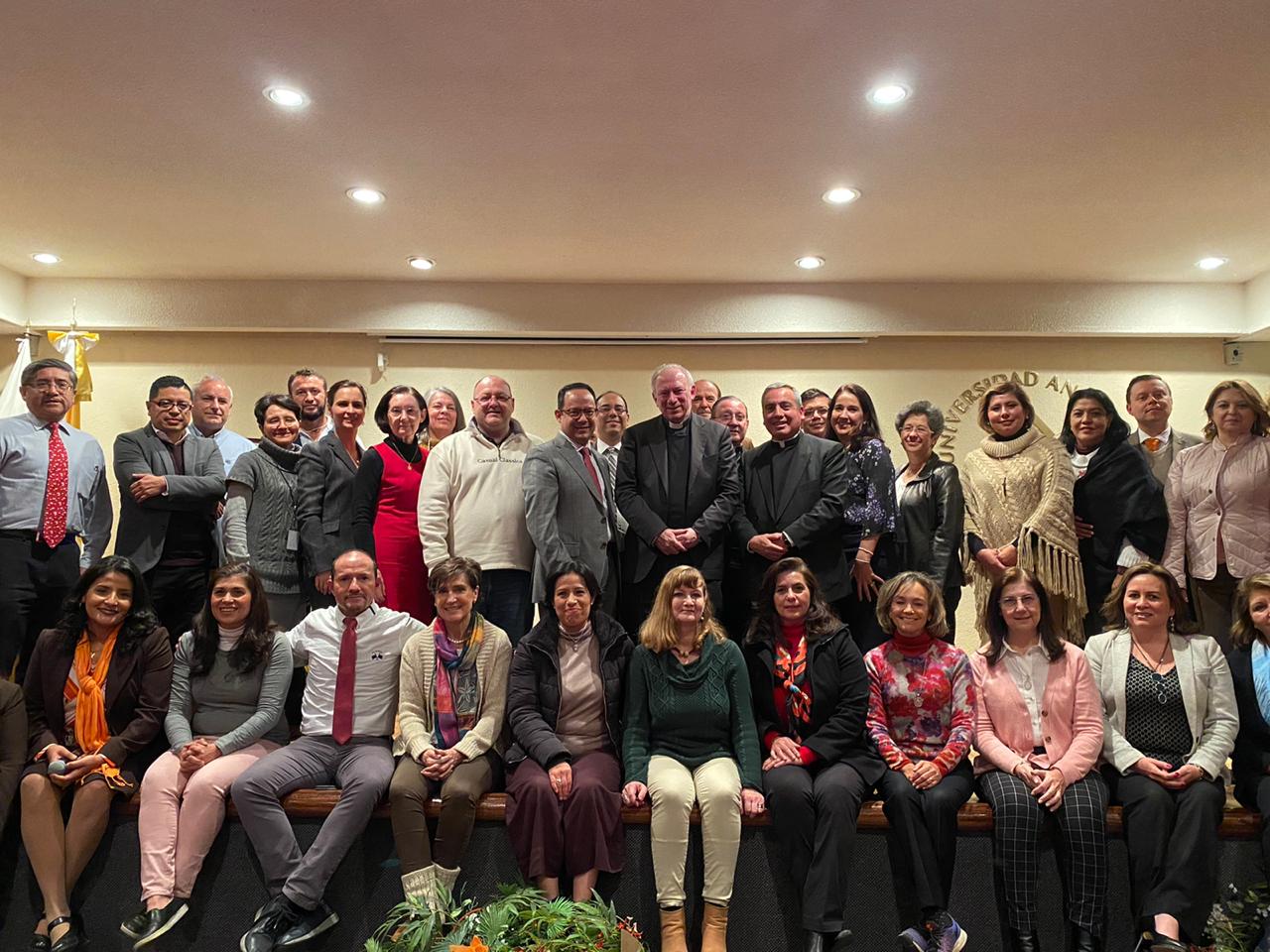
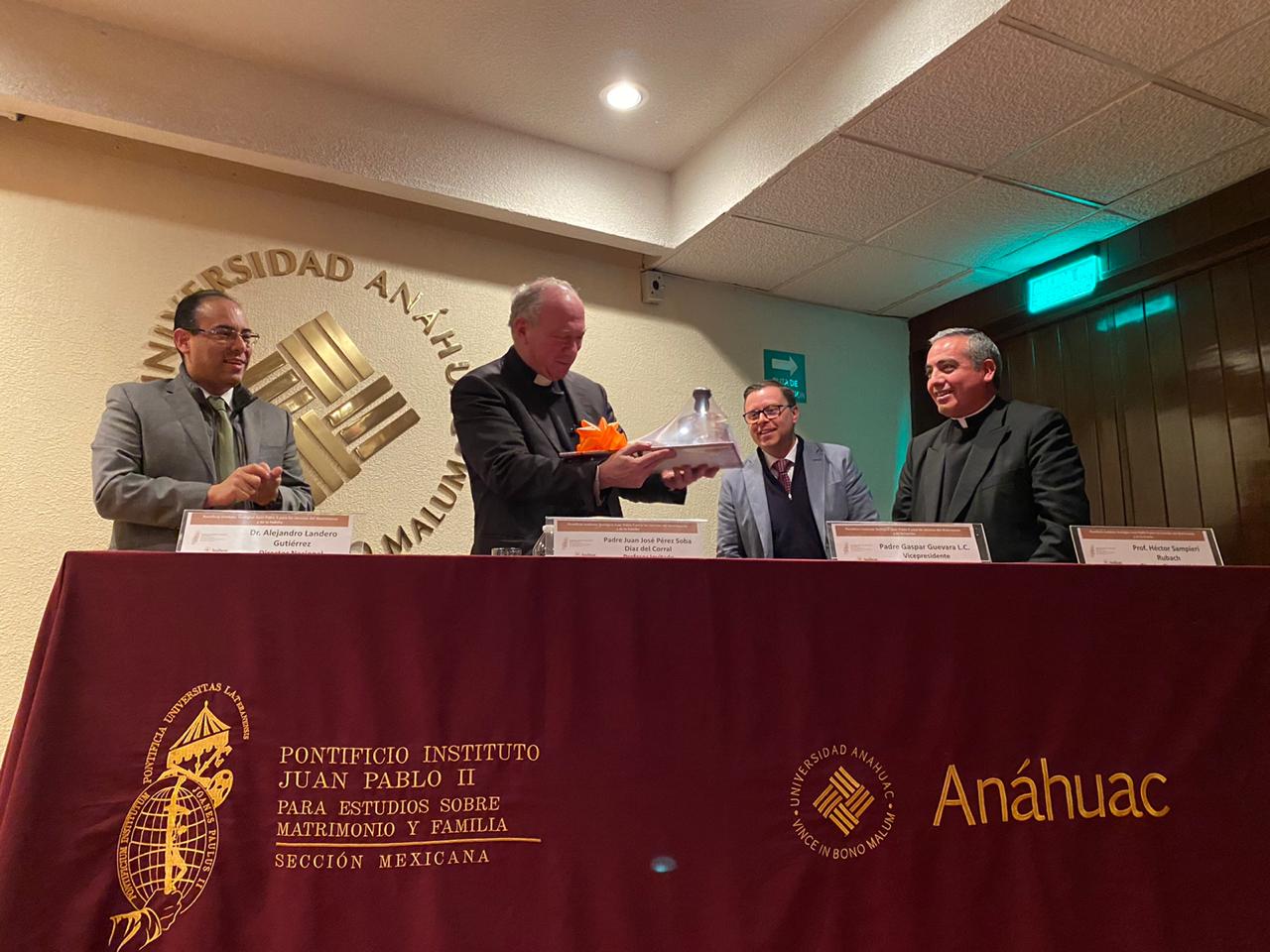
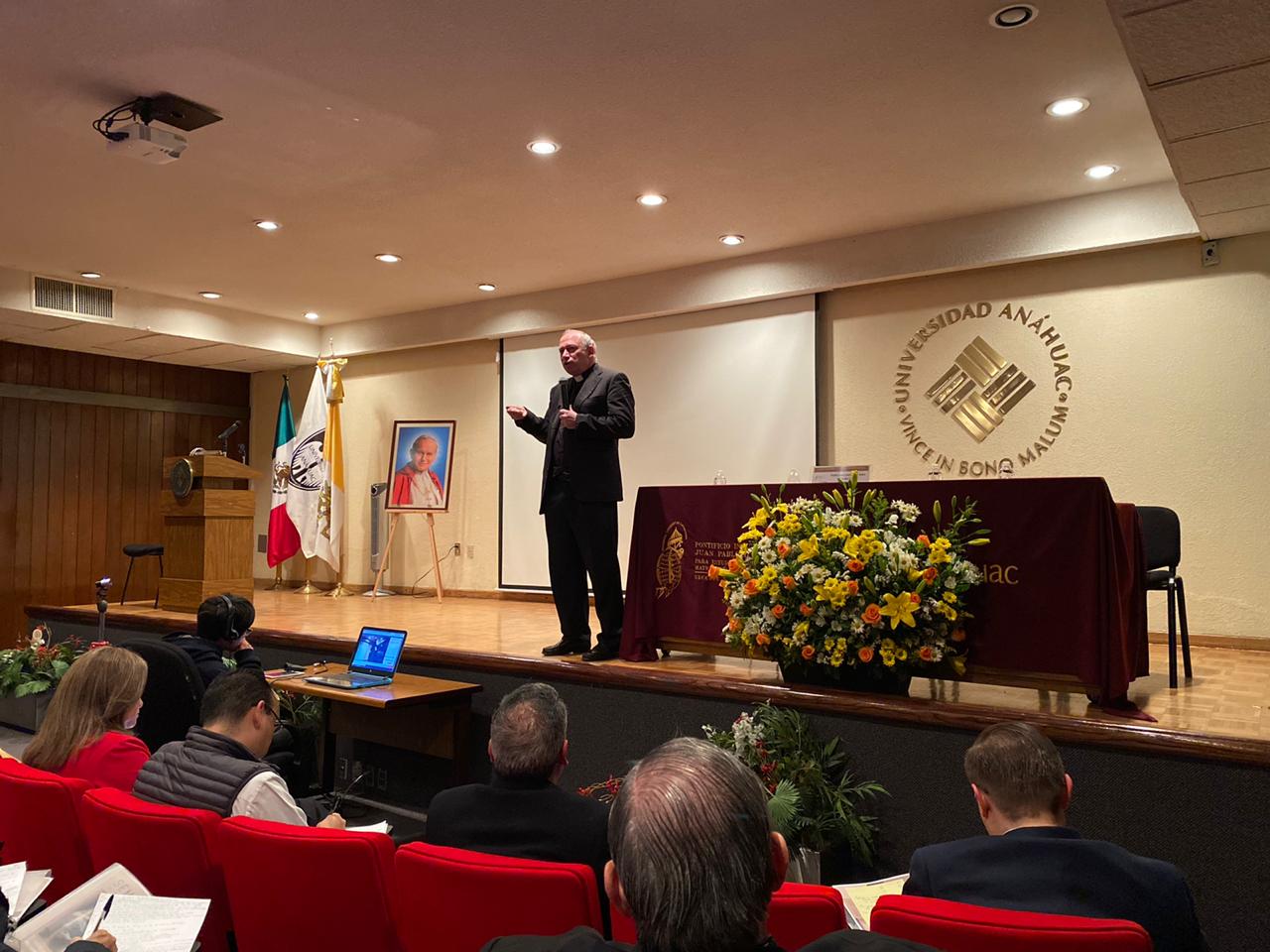
The John Paul II Pontifical Theological Institute for the Sciences of Marriage and Family, Mexico, was pleased with the presence of Fr. Dr. Juan José Pérez-Soba Diez del Corral at the International Seminar 2020: «The Christian Moral Subject: Law, Path of Freedom and Love» from January 20 to 23, 2020.
More than 100 people attended, including undergraduate and master's degree students, university professors, pastoral agents and full-time evangelizers, who took with them the «great task of deepening their understanding of moral theology in the complex ecclesial context in which we live,» in the words of the national director, Dr. Alejandro Landero Gutiérrez.
Pérez-Soba reflected on the constitution of the moral subject through moral, religious and aesthetic experiences. Again and again it was emphasized that moral experience is not one of limitations or punishments, but an infinite possibility in fullness. A fullness that calls to go out of oneself and give oneself for the other, a fullness that gives meaning to life.
[gdlr_button href=”https://www.flickr.com/photos/139606473@N02/albums/72157712901661697″ target=”_blank” size=”medium” background=”#990000″ color=”#ffffffff” with_border=”yes” border_color=”#999999″]View Full Gallery[/gdlr_button]
Pérez-Soba commented that the moral task of the 21st century is to teach people to love, there is nothing more important. To this end, the word love must be redefined in its true and profound meaning; in addition, it is necessary to understand the logic of affection. «Either we understand the origin of our love, or we will never learn to love. And to learn to love, the first thing is to know that we are loved».
During the seminar it was discussed that there are three categories of approach with love: presence, encounter and communion, and Jesus, truly present in the Eucharist, calls us to encounter Him and to live in common unity with Him and, in the same way, we are called to be present, to encounter and to live for others.
Father spoke about the theological virtues (faith, hope and charity) and how they help to build us as virtuous persons and moral subjects. If we are to imitate one, the most important is love.
He also commented on the law as a path not of coercion, but of freedom and love.
Fr. Pérez-Soba spoke about the path to be taken to guide our affections as an act of freedom. He commented on the types of freedom: social freedom, moral freedom, freedom of choice and personal freedom. The latter being the one that fundamentally refers to living in communion with loved ones. Understanding that the law is a path of freedom to live in the light of God.
He said that moral terms are not ideas, they are moments of the human act which is divided into: gift, affections, intention, law and act of choice.
Finally, Fr. Pérez-Soba commented that conscience is understood from the path of interiority and intimacy. If this is mutable, we are called to transcend it and return to God. The best example of Christian conscience is Mary, who accepted Christ in the light of her life, not as an idea or feeling, but as an act of obedience and surrender. «Christian conscience asks me to convert to Christ so that He may be my Lord,« she assured.
The national director, Alejandro Landero, encouraged the attendees to take up the challenge of «overcoming the emotional subject, the emotional illiteracy that fragments the person and leaves him or her without identity» and encouraged them to «be educators of love, discovering the languages of love in each of the stages of life».