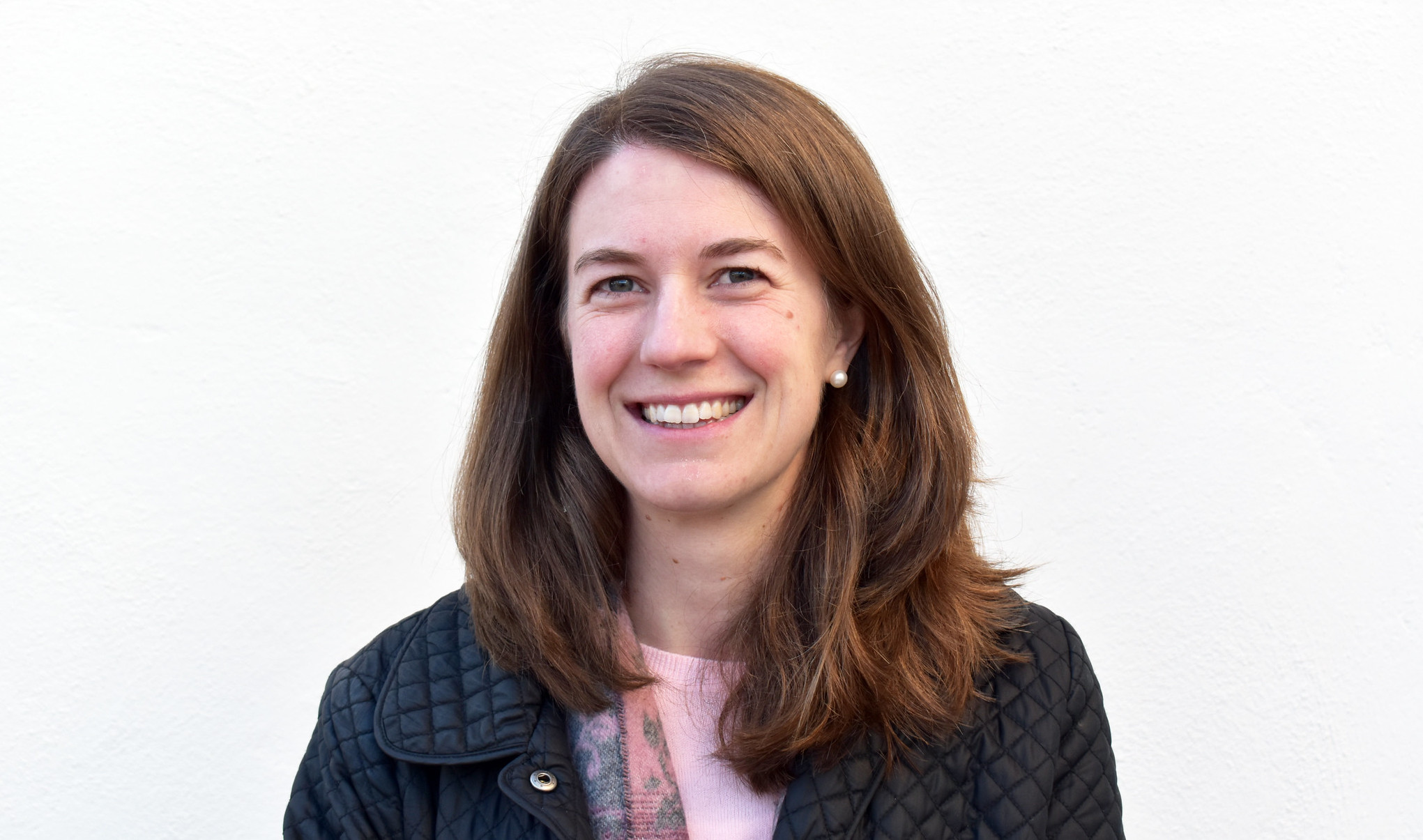
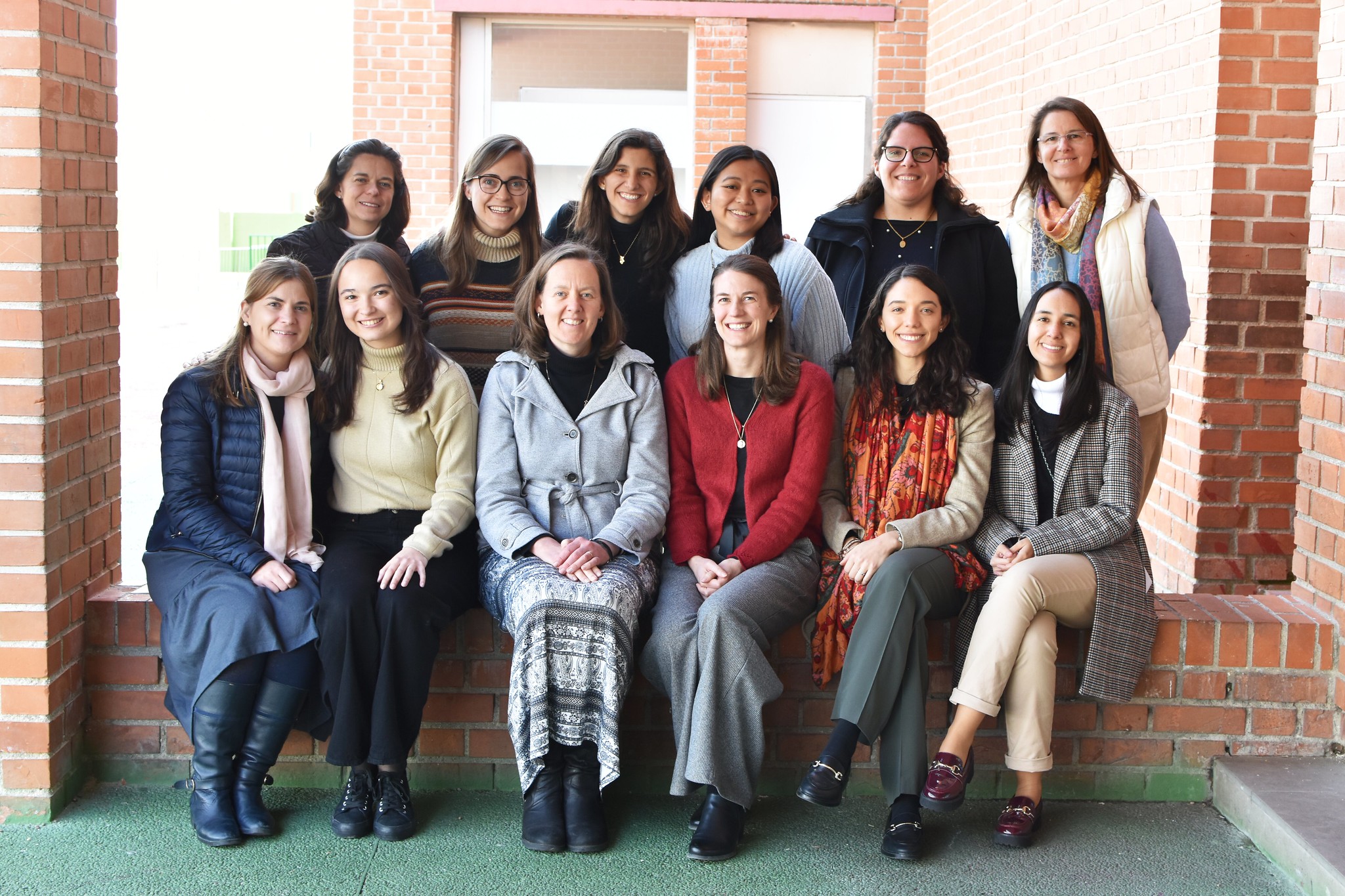
Spain has the only international training center that the Consecrated Women of Regnum Christi in the world. Megan Houbeck has been the director of this community in Spain for three years. Glory Darbellay will take over this mission starting this summer. In this interview with the communications office of Spain, Megan explains what the formation of consecrated women consists of: “It is a continuous path of transformation in Christ and preparation as apostles according to the identity and mission of Regnum Christi.” She also comments on other important aspects of this process, such as the importance of being accompanied: “At each stage, it is necessary to ensure personal and community formation, as Jesus Christ did. The young woman always has a formator who walks with her closely, but without invading, always leaving her free, as well as spiritual direction and the sacraments.”.
What does the formation of consecrated persons currently consist of? What stages is the formation structured into?
Megan: The formation of consecrated women is a continuous path of transformation in Christ and preparation as apostles according to the identity and mission of the Regnum Christi. It is an internal molding that encompasses the whole person and touches all aspects of life. This purpose is something that transcends methods or formative instances, as it can only be a work of God. However, we do seek to collaborate with Him by providing some means throughout our formative journey.
Young women who begin with concerns about consecrated life in the Regnum Christi start receiving formal training and accompaniment that helps with vocational discernment. Then, for those who continue to perceive a possible call to consecrated life in the Regnum Christi, there is a seven-week summer program called the “pre-candidacy course.” If they continue, they enter the candidacy program, which lasts two years without taking any vows. Upon completion of the candidacy, when sufficient signs of a call from God have been seen, they take temporary vows for three years and continue their formation, either by beginning their theological studies at the formation center in Madrid or by undertaking an intensive apostolic experience in an apostolic community.
And after this period?
Megan: After those three years, if they have continued to receive confirmation regarding it, they renew their temporary vows for another three years and begin the experience they did not have during their first period of temporary vows. After those six years with temporary vows, final vows are made. Most finish theological studies after taking final vows and continue ongoing formation.
What are the key points of each stage?
Megan: Initial formation has a dual aspect at all stages. On the one hand, it seeks formation as an apostle of the Kingdom, and on the other, vocational confirmation. During vocational accompaniment, the young woman is encouraged to listen to God more clearly through spiritual life, self-knowledge, and a greater understanding of consecrated life in the Regnum Christi.
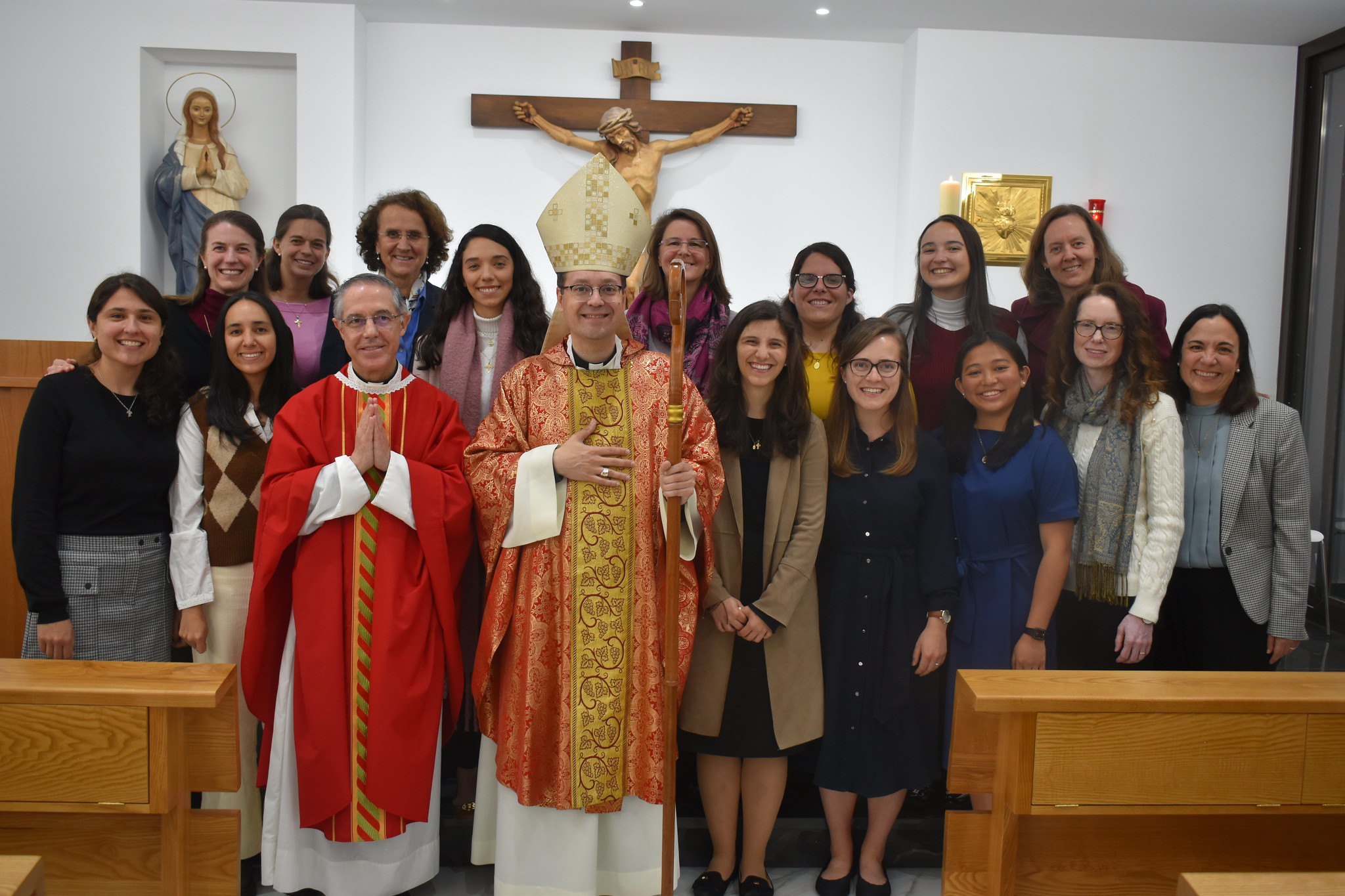
The pre-candidacy course is a time to review the path taken so far, seeing if there are sufficient signs of a possible call from God to consecrated life. Candidacy is an intensive period of encounter with the Lord, to center one's life on Him and discover oneself within that context, as well as to experience community life.
In the first period of temporary vows, one begins to live what was promised to the Lord and to the Church in their consecration. One starts to experience firsthand what it entails and what is needed to continue responding to the Lord. This period usually coincides with the theological studies in the formation center. The second period of temporary vows allows for the continuation of this lived experience over time. During this period, one will have gone through all aspects of consecrated life, including studies, apostolic activity, and community life. The consecrated person will have found a path of maturation in love as an apostle of Christ.
With the final votes, the journey of vocational confirmation concludes, but formation continues throughout life. The purpose of formation is something that goes beyond specific methods or training instances, as it can only be a work of God. However, we do seek to collaborate with Him by providing some means along our formative journey.
What is the main purpose of the formation of consecrated women? Why is formation so important?
Megan: The main meaning is to allow Christ to establish his Kingdom in one's own heart in order to be available for him to make that same Kingdom present in others and in the world through oneself. By observing how God carries out that work in the young woman during her early years of formation, it also becomes clear whether He wants to carry out that work within consecrated life. All of this ultimately becomes a paschal experience, that is, dying with Christ to resurrect with Him. Formation is important so that all the desires to love that are in the heart can be transformed into life.
Training hasn't always been the same. Throughout history, training has evolved to what you have now. What has the training process been like from the beginning to the present? What are the main changes?
Megan: The formation of consecrated women has been evolving since the consecration of the first young women in 1969 to the present day, and I assume it will continue to evolve in the future. From the beginning, there was great enthusiasm to love the Lord and dedicate oneself to the mission. There has also always been an awareness of the need to prepare for the mission. The ways of doing this have varied. Some of the changes that have emerged have come from cultural and ecclesial shifts that have occurred over time. Others have arisen from growth in our understanding of human anthropology and the need for formation that relies more on personal choices than on normative structures.
One of the main changes has been to extend the time for temporary vows before the final vows are made. This was done after observing the need for growth in the interior freedom of those who make this perpetual promise. Another change has been to include the obtaining of an ecclesiastical or civil degree in Theology to respond to the needs of the new evangelization in a secularized world.
Support is present at every stage of training, but in what way? What does support look like in each of the phases?
Megan: At each stage, it is necessary to ensure personal and community formation, as Jesus Christ did. The young person always has a mentor who walks with her closely, but without intruding, always leaving her free, as well as spiritual direction and the sacraments. It is equally important to ensure that she is accompanied by the community in various ways.
During vocational accompaniment, it helps to have contact with other young people going through a similar path of seeking holiness and their vocational journey. It is also of great benefit to have contact with a community of consecrated women of Regnum Christi and the Regnum Christi family in general. If God calls to a vocation of consecration, it is for the good of the Church, therefore, one cannot discern that call in isolation from the community of faith. For several girls, this experience is best realized by living for a time within a community of consecrated women.
During the candidacy, in addition to personal accompaniment, candidates have the support of the community itself, comprised of other candidates and some consecrated members of Regnum Christi. The aim is to benefit from the sacramental accompaniment of the Legionaries of Christ and from contact with the RC family and the local church. Some take advantage of therapeutic accompaniment to continue growing personally.
During the period of temporary votes, in addition to what was mentioned previously, they have the accompaniment of their apostolate teams and university professors.
How do you balance formation with other activities or apostolates?
Megan: We consider that formation itself encompasses everything a person experiences and goes beyond explicit studies. While studying theology, each consecrated person has an assigned apostolate compatible with their actual available time. Each one manages that time according to their capabilities. It's a challenge, as the heart would wish to be able to support wherever need is seen! Choices must be made based on one's own responsibilities and by allowing oneself to be formed by the Lord in concrete life. It's a path that involves making mistakes and experiencing the consequences of them, and trying again. The formative program includes weekly communal prayer times, monthly or bimonthly formative topics, and some courses during vacation periods. Personal accompaniment permeates the entire period.