50% of the food delivered by Altius comes from surplus food from companies that fight food waste.
In Spain, the prevention of food losses and wastage makes it compulsory for companies in the food chain, the restaurant and hotel sector, to sign agreements with social entities to make use of surplus food. Many companies and NGOs are already working along these lines, such as Altius Foundation which has ensured that 50% of the food it provides to vulnerable families is saved from waste.
Altius fights against waste
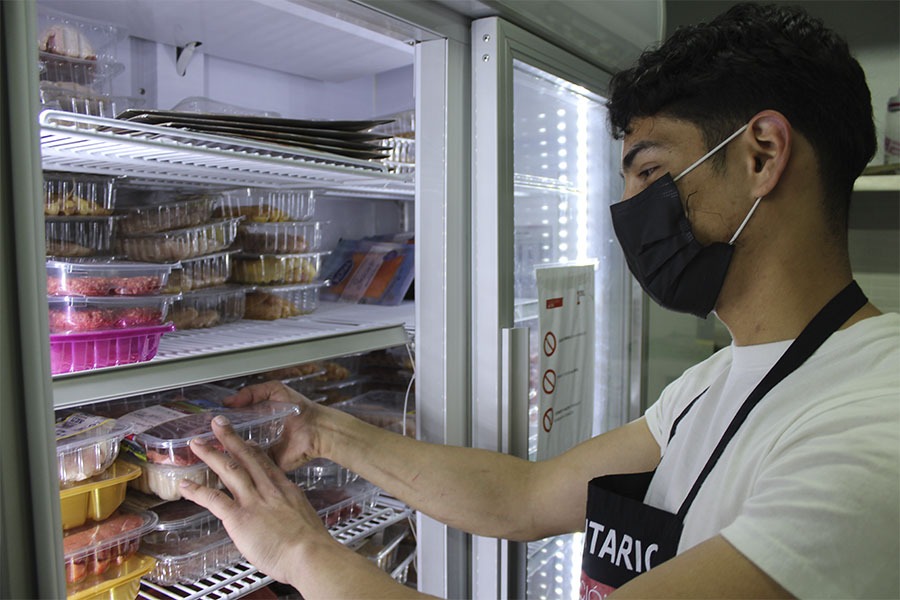
Through the project The 1 Kilo of Help Marketplace food that would otherwise be discarded, as it does not meet the parameters to be sold in catering or supermarkets, even though it is in perfect condition for consumption. The Altius Foundation recovers this food and distributes it to families in vulnerable situations, always maintaining optimal food safety conditions.
For Altius, the direct donation of products by large supermarket and hospitality chains has contributed not only to having more products available for its beneficiaries, but also a supply of fresh products such as meat, chicken, fish, dairy products, fruit and vegetables on a daily basis.
Self-service for vulnerable families
The system for the delivery of the products at Altius is in the form of self-service so that the beneficiaries can choose the food that best suits their tastes and needs. In the words of Cristina Gómez de Ramón, Director of the 1 Kilo de Ayuda food support area of Fundación Altius: “We believe that providing food in a space similar to a supermarket, where the person is free to decide what they want to take, contributes to dignifying the way in which these families receive aid”.
Collaboration on the logistical side by companies is also key. Reducing food waste requires having a stable and sufficient infrastructure to be able to collect fresh food donations in a short time. To this end, Fundación Altius has the Glovo Access platform, a service free of charge for the Foundation, which allows it to collect and deliver donations from restaurants and supermarkets in the region to its warehouse in Madrid throughout the day for their subsequent redistribution.
“For social entities, working together with committed companies is the most effective way to count resources to reduce waste, it also allows us to better respond to the food needs of our users and helps us to achieve the innovation and sustainability objectives we set ourselves,” concludes Cristina Gómez de Ramón.